
Sports have always been a powerful force in bringing people together. From packed stadiums filled with roaring fans to families gathering around television screens, the way people engage with sports has evolved significantly over the years. What once depended entirely on physical presence and broadcast media has now transformed into a digital-first experience powered by technology, data, and online platforms.
Today, sports engagement is no longer limited to watching matches. Fans analyze statistics, follow player journeys, interact on social media, and even participate in real-time digital experiences. This transformation reflects a broader shift in how audiences consume entertainment in the modern era.
In this article, we explore how sports engagement has evolved from traditional stadium experiences to the rise of digital platforms and how this transformation is shaping the future of sports worldwide.
The Traditional Era of Sports Engagement
Before the digital revolution, sports engagement was centered around two primary experiences: live attendance and broadcast viewing.
Stadium Experience
Attending a live match was considered the ultimate way to experience sports. Fans would travel long distances, purchase tickets, and immerse themselves in the atmosphere of the game. The excitement of cheering alongside thousands of supporters created a unique emotional connection between fans and their teams.
Stadiums were not just venues; they were cultural hubs where communities gathered. The chants, the celebrations, and even the disappointments were shared collectively, making sports a deeply social activity.
Television and Radio Broadcasting
For those unable to attend games in person, television and radio broadcasts became the primary means of engagement. These mediums brought sports into homes, allowing fans to follow their favorite teams and players conveniently.
However, engagement during this era was largely passive. Fans could watch or listen, but interaction was limited. There were no real-time discussions, instant statistics, or personalized experiences.
The Rise of Data and Player-Centric Content
As sports evolved, so did the way fans consumed information. The introduction of detailed statistics and analytics transformed engagement into a more informed experience.
For example, discussions around player earnings, performance metrics, and career growth became increasingly popular. Articles analyzing salary structures and career paths provided fans with deeper insights into the professional sports ecosystem.
Understanding the financial journey of athletes especially those in developmental leagues helped fans appreciate the challenges and dedication required to succeed at higher levels. This shift marked the beginning of informational engagement, where fans sought knowledge beyond just match results.
The Role of Coaching and Team Dynamics
Another significant aspect of modern sports engagement is the focus on team strategies and coaching philosophies. Fans today are more interested in understanding how teams operate behind the scenes.
Importance of Coaching
Coaches play a crucial role in shaping team performance. Their strategies, leadership styles, and decision-making processes can significantly impact a team’s success.
Modern audiences analyze:
- Tactical formations
- Player roles and responsibilities
- Game management decisions
This analytical approach has turned fans into informed observers who engage with sports on a deeper level.
Player-Coach Relationships
Strong relationships between players and coaches are essential for team success. Trust, communication, and mutual respect create an environment where players can perform at their best.
Content focusing on these dynamics has gained popularity because it provides insights into the human side of sports. Fans are no longer just spectators; they are learners who want to understand what drives success on the field.
The Digital Revolution in Sports
The biggest transformation in sports engagement came with the rise of the internet and digital technologies. This shift introduced new ways for fans to connect with sports, making the experience more interactive and personalized.
Social Media Influence
Social media platforms have changed how fans interact with sports. Instead of waiting for post-match analysis, fans can now:
- Share opinions instantly
- Engage in live discussions
- Follow players directly
This real-time interaction has made sports more dynamic and engaging than ever before.
Streaming and On-Demand Content
Digital streaming services have replaced traditional broadcasting for many fans. With on-demand access, viewers can watch matches anytime, anywhere.
Key benefits include:
- Flexibility in viewing
- Access to global sports events
- Personalized recommendations
This convenience has expanded the global reach of sports, allowing fans from different regions to engage with teams and leagues worldwide.
The Rise of Interactive Fan Platforms
One of the most significant developments in modern sports engagement is the emergence of interactive digital platforms. These platforms go beyond passive viewing and allow fans to actively participate in the sports experience.
Modern platforms provide features such as:
- Real-time match updates
- Interactive dashboards
- User engagement tools
Fans today are not just watching sports they are interacting with them. Many users also look for an easy cricket login to access real-time features quickly and stay connected during live matches without interruptions.
Cricket and the IPL: A Digital Engagement Revolution
Cricket, especially in countries like India, has experienced a massive transformation in fan engagement. The Indian Premier League (IPL) has played a key role in this evolution.
Why IPL Stands Out
The IPL is not just a cricket tournament it is a global entertainment event. It combines sports, entertainment, and digital innovation to create a unique fan experience.
Key factors include:
- High-quality broadcasting
- Celebrity involvement
- Advanced analytics
Digital Platforms in IPL
The IPL has also seen the rise of various digital tools and platforms that enhance fan engagement.
Fans now use their chosen betting platform that provide::
- Live match insights
- Player statistics
- Interactive features
Many users also prefer setting up an online satta account to access additional features and stay more involved during live IPL matches.
The Business Side of Sports Engagement
Sports today is not just about ente hi rtainment it is a massive global industry. The evolution of fan engagement has also influenced the business side of sports.
Revenue Streams
Modern sports organizations generate revenue through:
- Broadcasting rights
- Sponsorships
- Digital platforms
- Merchandise sales
Digital engagement has opened new opportunities for monetization, allowing organizations to reach wider audiences.
Data-Driven Decisions
Data plays a crucial role in modern sports management. Teams and organizations use analytics to:
- Improve performance
- Understand fan behavior
- Optimize marketing strategies
This data-driven approach ensures that sports remain competitive and commercially viable.
The Impact of Technology on Fan Experience
Technology continues to redefine how fans engage with sports. Innovations such as artificial intelligence, virtual reality, and mobile applications are shaping the future of sports entertainment.
Personalized Experiences
Fans now receive personalized content based on their preferences. This includes:
- Customized match highlights
- Player updates
- Targeted notifications
Real-Time Engagement
Real-time data allows fans to stay updated with every moment of the game. Whether it’s live scores or instant analysis, technology ensures that fans never miss a detail.
Challenges in the Digital Era
While digital transformation has enhanced sports engagement, it also presents challenges.
Information Overload
With so much content available, fans may find it difficult to focus on what matters most.
Maintaining Authenticity
As sports become more commercialized, maintaining the authenticity of the game becomes crucial. Fans still value genuine experiences and emotional connections.
Accessibility
Not all fans have equal access to digital platforms. Bridging this gap is essential to ensure inclusive engagement.
The Future of Sports Engagement
The future of sports engagement looks promising, with continued advancements in technology and innovation.
Emerging Trends
- Virtual reality experiences
- AI-powered analytics
- Enhanced mobile applications
These trends will further transform how fans interact with sports.
Global Expansion
Digital platforms will continue to expand the global reach of sports, connecting fans from different cultures and regions.
Fan-Centric Approach
The focus will remain on creating experiences that prioritize fan satisfaction and engagement.
Conclusion
The evolution of sports engagement from stadiums to digital platforms highlights the dynamic nature of the sports industry. What began as a simple act of watching games has transformed into a multi-dimensional experience that combines entertainment, information, and interaction.
Today’s fans are more informed, connected, and engaged than ever before. They analyze player performance, understand team strategies, and participate in digital platforms that enhance their experience.
As technology continues to evolve, the future of sports engagement will become even more immersive and interactive. The challenge for the industry will be to balance innovation with authenticity, ensuring that the essence of sports remains intact.
Ultimately, sports will continue to unite people across the world whether in stadiums or through digital platforms creating experiences that go beyond the game itself.
Related Posts
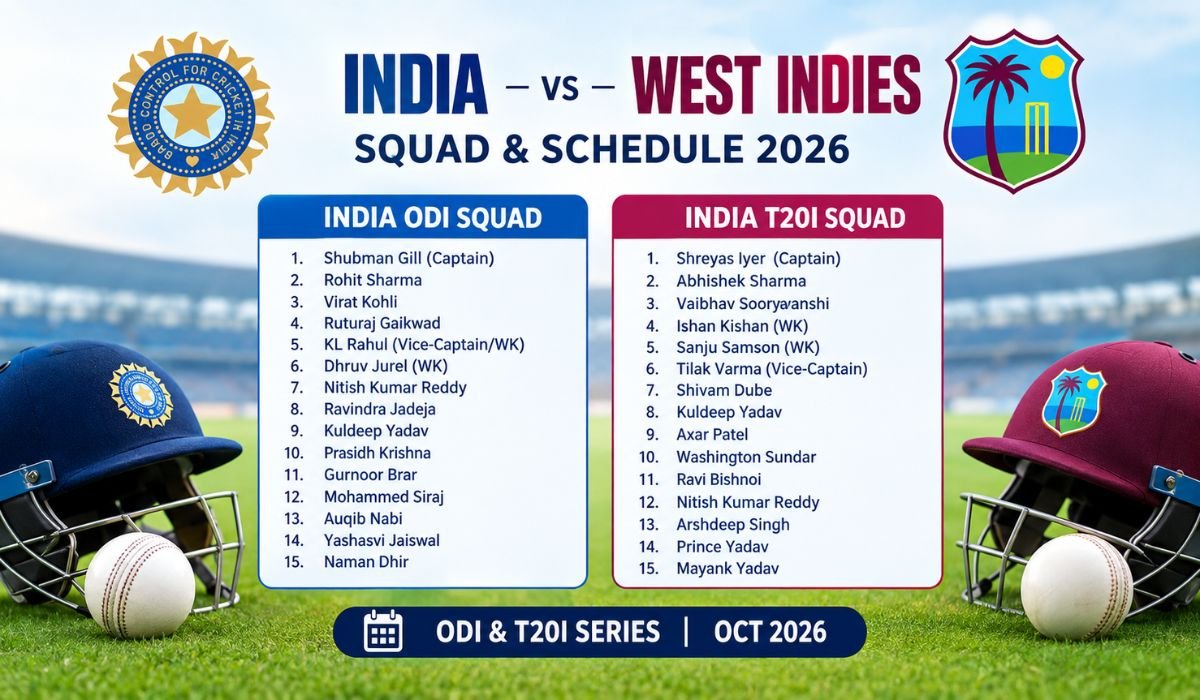
India Squad for West Indies 2026: ODI & T20I Squad, Schedule
Ravindra Jadeja will be appearing in the India ODI team…

Top 12 Richest Cricket Leagues in the World (2026)
Richest Cricket Leagues in the World Cricket has morphed from…

One-Off Tournaments in Cricket: Format, Schedule, Standings & Future Outlook
Cricket is a game steeped in tradition, but its growth remains…